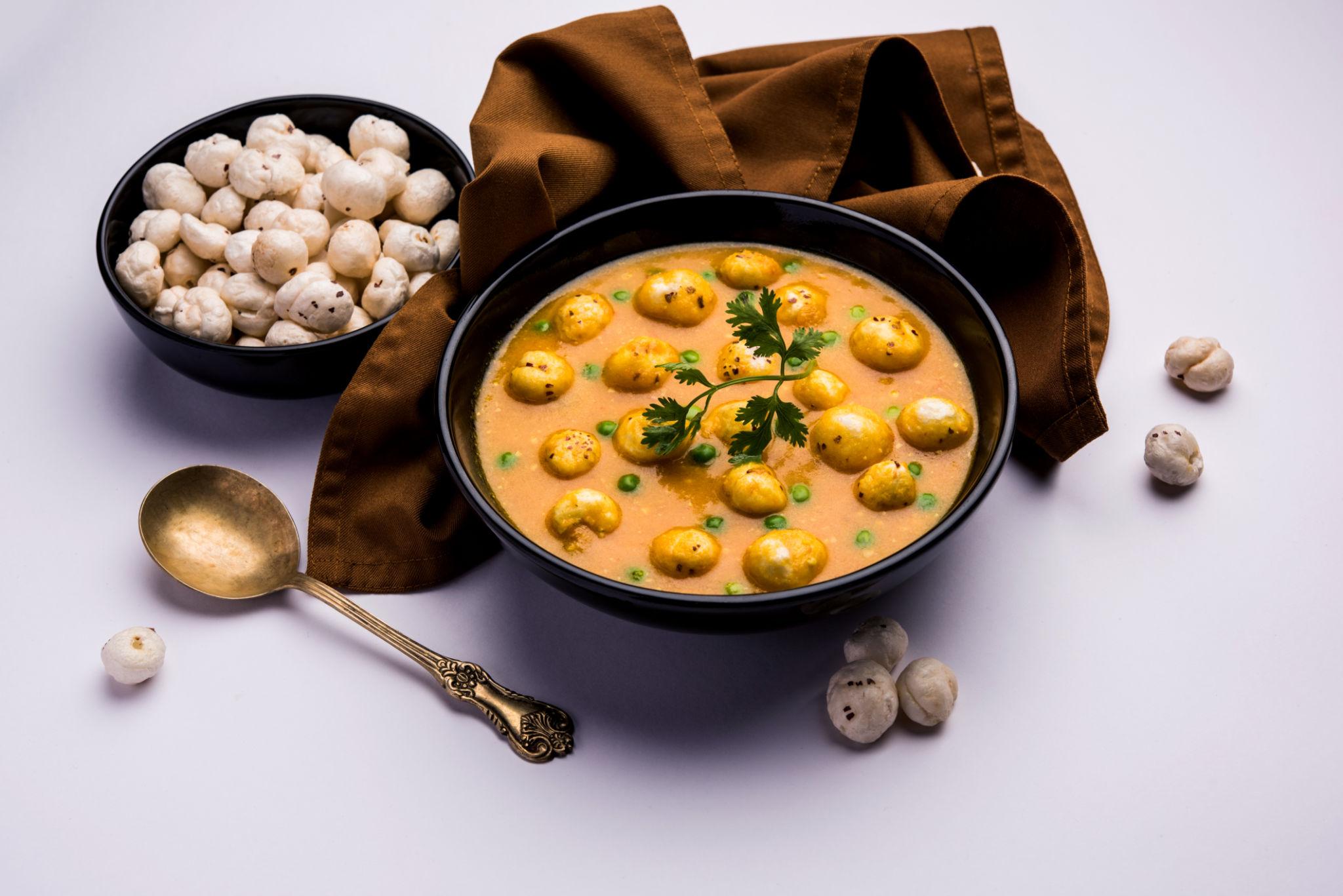
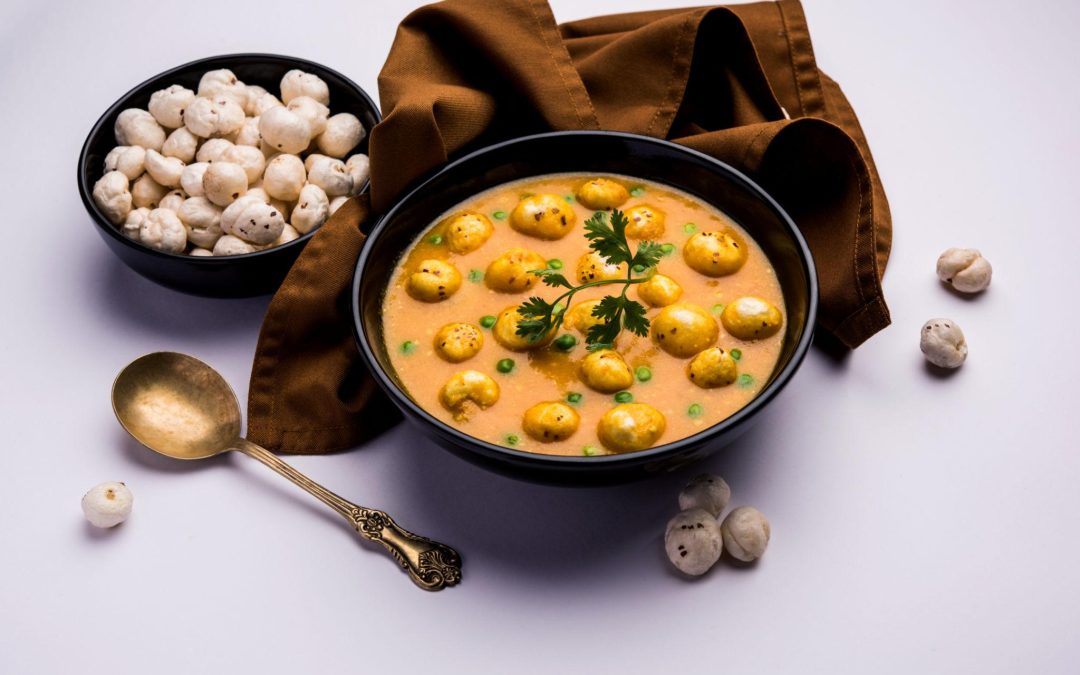
Makhana Sabji Recipe – A Healthy & Delicious Indian Curry
Makhana Sabji is a rich, flavorful, and nutritious Indian curry made using roasted makhana, aromatic spices, onion-tomato gravy, and creamy texture. Also known as Fox Nut Curry, this traditional Indian dish is becoming increasingly popular among health-conscious food lovers because of its unique taste and excellent nutritional value.
Makhana, also known as fox nuts or lotus seeds, is considered a superfood due to its high protein, calcium, antioxidants, and low-calorie content. When combined with creamy Indian curry, makhana creates a delicious and healthy recipe perfect for lunch, dinner, festive meals, and fasting occasions.
This recipe is widely prepared in Indian households because it is easy to cook, light on the stomach, and highly satisfying. The soft texture of makhana absorbs the rich flavors of the gravy, making every bite creamy and delicious.
Makhana Sabji is commonly served with roti, naan, paratha, or jeera rice and is loved by both children and adults.

Ingredients Required
- 2 cups makhana
- 2 tomatoes
- 1 onion
- 1 teaspoon ginger-garlic paste
- ½ teaspoon turmeric powder
- 1 teaspoon red chili powder
- 1 teaspoon garam masala
- 2 tablespoons fresh cream
- Oil or ghee
- Salt as per taste
- Fresh coriander leaves
Recipe Highlights
- Healthy & Nutritious Indian Curry
- Rich in Protein & Calcium
- Creamy Restaurant-Style Taste
- Easy & Quick to Prepare
- Perfect for Lunch & Dinner
- Light Yet Filling Meal
- Ideal for Festive Occasions
- Made with Premium Fox Nuts
- Vegetarian & Healthy Recipe
- Best Served with Roti or Rice
- Rich in Antioxidants & Fiber
Step-by-Step Method to Prepare Makhana Sabji
Step 1 – Roast the Makhana
-
Heat ghee in a pan and roast the makhana on low flame for 5–7 minutes until crispy and slightly golden. Roasting enhances the flavor and prevents the makhana from becoming soggy in the gravy.
-
Properly roasted makhana gives the curry a rich taste and better texture.
Step 2 – Prepare Onion-Tomato Paste
-
Take chopped onion and tomatoes and grind them into a smooth paste using a mixer grinder. This paste forms the base of the curry gravy.
-
The onion-tomato mixture gives the sabji its rich texture, balanced flavor, and beautiful color.
Step 3 – Sauté Ginger-Garlic Paste
-
Heat oil or ghee in a pan and add ginger-garlic paste. Sauté for a few seconds until the raw smell disappears.
-
This step adds deep flavor and aroma to the curry base.
Step 4 – Cook the Gravy
-
Add the onion-tomato paste to the pan and cook on medium flame until the oil starts separating from the mixture.
-
This process helps develop rich flavor and proper consistency in the curry.
Step 5 – Add Spices
-
Now add turmeric powder, red chili powder, garam masala, and salt. Mix properly and cook for a minute.
-
You can also add cumin seeds and kasuri methi for extra flavor.
Step 6 – Add Water & Simmer
-
Add a little water according to your preferred gravy consistency and let the curry simmer for a few minutes.
-
The spices blend beautifully during this stage, creating a rich and aromatic gravy.
Step 7 – Add Roasted Makhana
-
Add the roasted makhana to the gravy and cook for around 5 minutes on low flame.
-
The makhana absorbs the delicious curry flavors while remaining soft and flavorful.
Step 8 – Finish with Cream & Coriander
-
Add fresh cream and chopped coriander leaves for a rich and creamy finish.
-
Your delicious makhana sabji is now ready to serve.
Health Benefits of Makhana Sabji
Makhana Sabji is not only delicious but also highly nutritious. It combines the health benefits of makhana with traditional Indian spices and ingredients.
Rich in Protein & Calcium
Makhana contains protein and calcium that help support healthy bones and muscles.
Low in Calories
Compared to many heavy curries, makhana sabji is relatively lighter and healthier.
Good for Digestion
The fiber content in makhana supports better digestion and gut health.
Rich in Antioxidants
Makhana contains antioxidants that help improve overall wellness and support healthy aging.
Suitable for Healthy Diets
This recipe is suitable for vegetarian diets and can also be prepared during fasting with slight ingredient modifications.